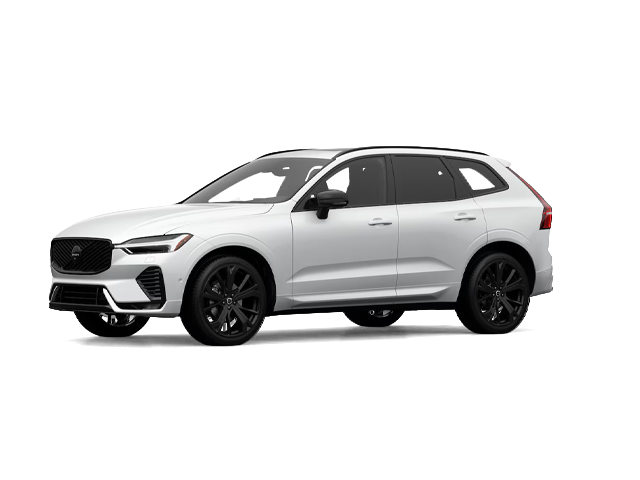
Photo for illustrative purposes only.
Find out moreVolvo Laval

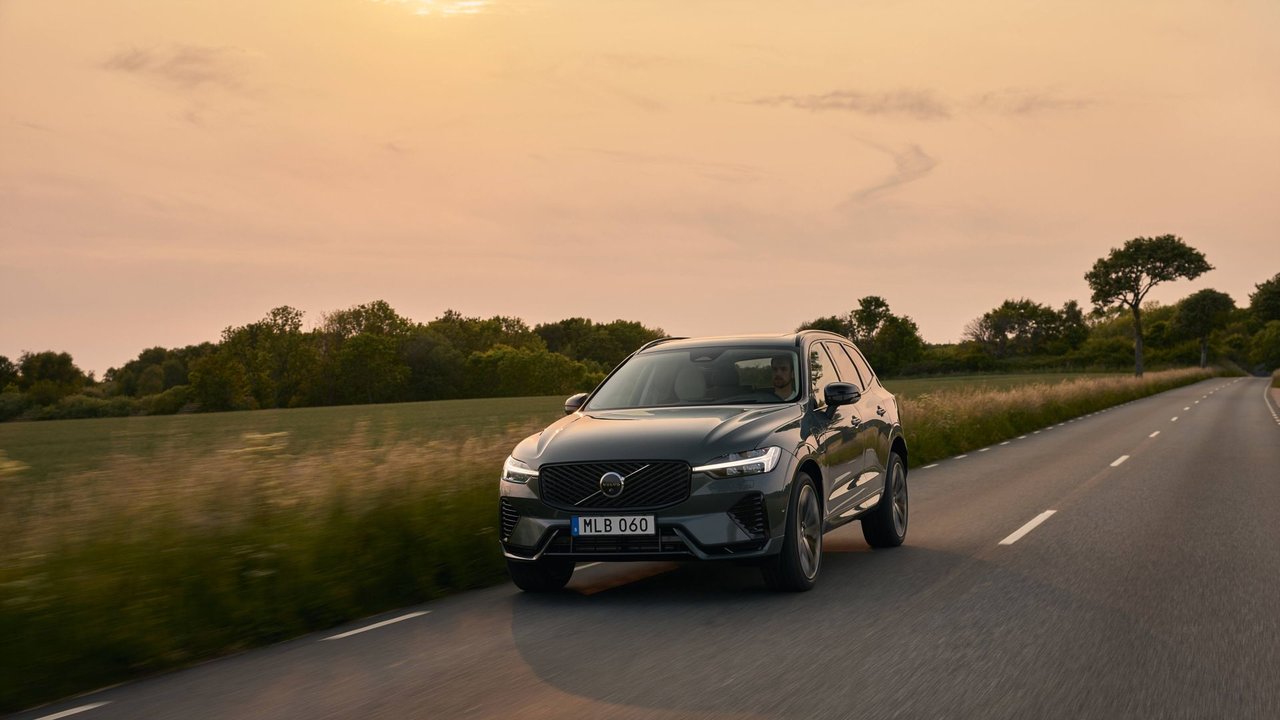
Most fender-benders happen at speeds so low they barely register, a car creeping into a stopped line of traffic, a shopping cart lane in a busy parking lot, a distracted moment at a four-way stop. The 2026 Volvo XC60 addresses exactly these moments with City Safety, a low-speed collision-avoidance system built into the car’s standard safety suite.
This article is a plain-language look at one system: how City Safety reads the road, what it does when it senses danger, and where it actually helps during everyday driving in Quebec.
City Safety is Volvo’s automatic emergency braking system, designed to detect an imminent collision and apply the brakes on its own if the driver hasn’t already reacted. Volvo introduced it on the XC60 back in 2008 as the world’s first standard low-speed automatic braking system, built to help avoid or reduce the severity of a collision at speeds up to 30 km/h.
It’s not a driver-replacement feature. City Safety sits in the background during normal driving and only becomes active when its sensors detect a developing risk the driver hasn’t addressed. Volvo also built on this foundation with Oncoming Lane Mitigation, introduced in 2017, which can steer the car back into its lane if it drifts toward oncoming traffic. The two systems share a similar philosophy: quiet most of the time, ready to step in when it counts.
City Safety relies on the XC60’s forward-facing sensors to continuously read the distance and closing speed between the car and whatever is ahead, another vehicle, a pedestrian, a stopped object. Under normal driving, none of this is visible or felt. The system runs quietly, and the driver controls the car exactly as they always would.
When the sensors detect that a collision is becoming likely and the driver hasn’t braked or steered away in time, City Safety intervenes. Depending on the situation, this can mean:
The feeling is different from the car’s regular responsiveness. Instead of a smooth ride, the driver notices a firmer, more sudden brake application, precisely because the system is reacting to something the driver may not have caught in time. It’s designed to work at speeds up to 30 km/h, which covers most parking lot, intersection, and stop-and-go situations rather than highway-speed driving.

Dense traffic, sudden stops, and cross-traffic moments in tight urban spaces are where low-speed collisions most often happen, not on the open highway, but in the everyday grind of city streets and parking areas. A car ahead brakes harder than expected. A pedestrian steps out from between parked cars. Someone backs out of a spot without checking twice.
These are the exact conditions City Safety was built around. It doesn’t replace attentive driving, and it isn’t a substitute for checking mirrors or watching pedestrians. It functions as a backup layer, there specifically for the moments when a driver’s attention lapses for even a second, which happens to everyone occasionally in slow, repetitive traffic.
It’s worth being clear about scope: City Safety is a low-speed system, not a full self-driving feature. It complements, rather than replaces, features like Pilot Assist (driver support at higher speeds), BLIS with Cross Traffic Alert (blind-spot and rear cross-traffic monitoring), and Park Assist front, rear, and sides (which helps with tight parking manoeuvres). Together, these systems form a layered approach to safety rather than one single feature doing everything.
Anyone doing regular city driving, commuting through congested streets, navigating parking lots, or dealing with stop-and-go traffic, benefits from having City Safety active in the background. It’s especially relevant for families using the XC60 as a daily driver, where the car is frequently threading through school zones, shopping centre lots, and busy intersections rather than cruising on the highway.
Drivers who split time between city errands and longer trips also get value from how City Safety fits alongside the XC60’s broader driver-support lineup. Available features like the 360° camera and Park Assist front, rear, and sides on Plus trim and above address the tight-manoeuvre side of city driving, while City Safety covers the sudden-stop side. The combination is about coordinated systems working through different scenarios, not a single standout feature.
City Safety is one part of a broader safety picture on the 2026 XC60, built to catch the low-speed moments that regular attention sometimes misses. It works alongside Pilot Assist, park assist systems, and collision alerts to cover different driving situations rather than one alone.
Visit Volvo Laval in Laval to see how City Safety and the XC60’s other driver-support features work together, and compare them for yourself on a test drive.
Photo for illustrative purposes only.
Find out more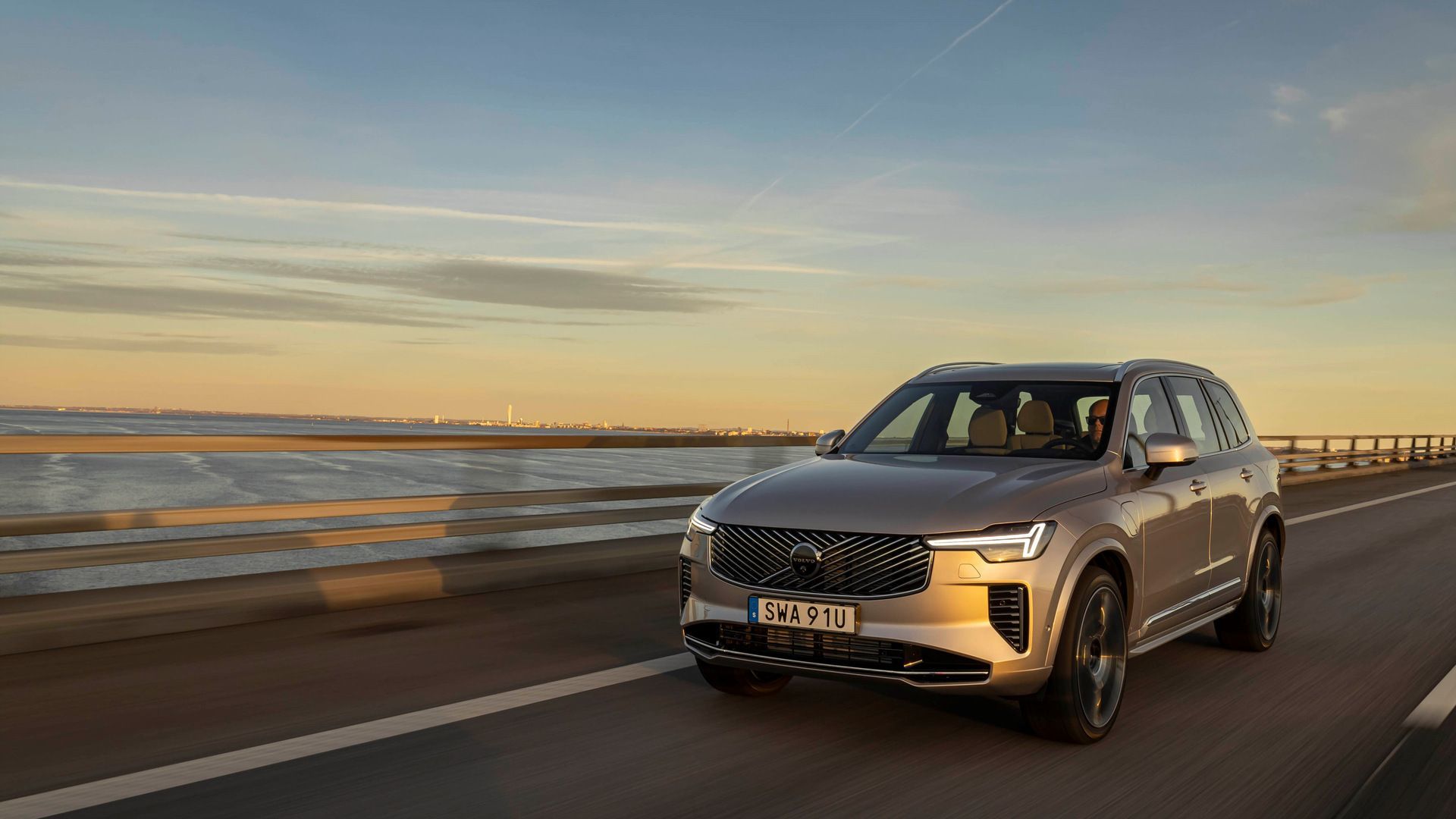
Seven-Seat Configuration Explained for the 2026 Volvo XC90 Across Every Trim
Shopping for a three-row SUV in Quebec often comes down to one question: how many people can you actually fit, and how comfortably? The 2026 Volvo...
Read more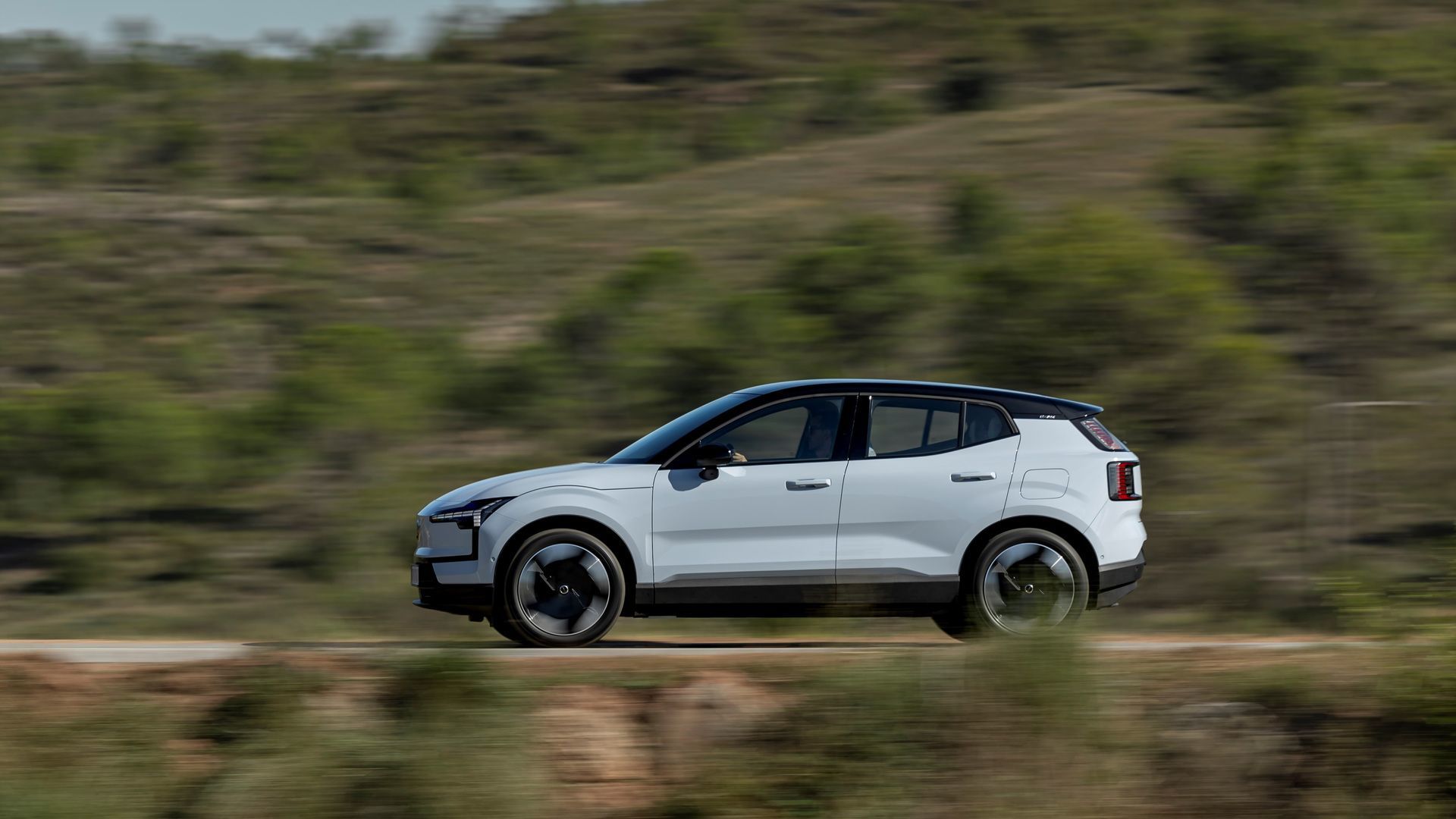
Single Motor Extended Range or Twin Motor Performance: Which 2026 Volvo EX30 AWD Setup Fits Your Driving?
Choosing an EX30 comes down to more than trim level. It also means picking a drivetrain, and that decision shapes how the car feels every day,...
Read more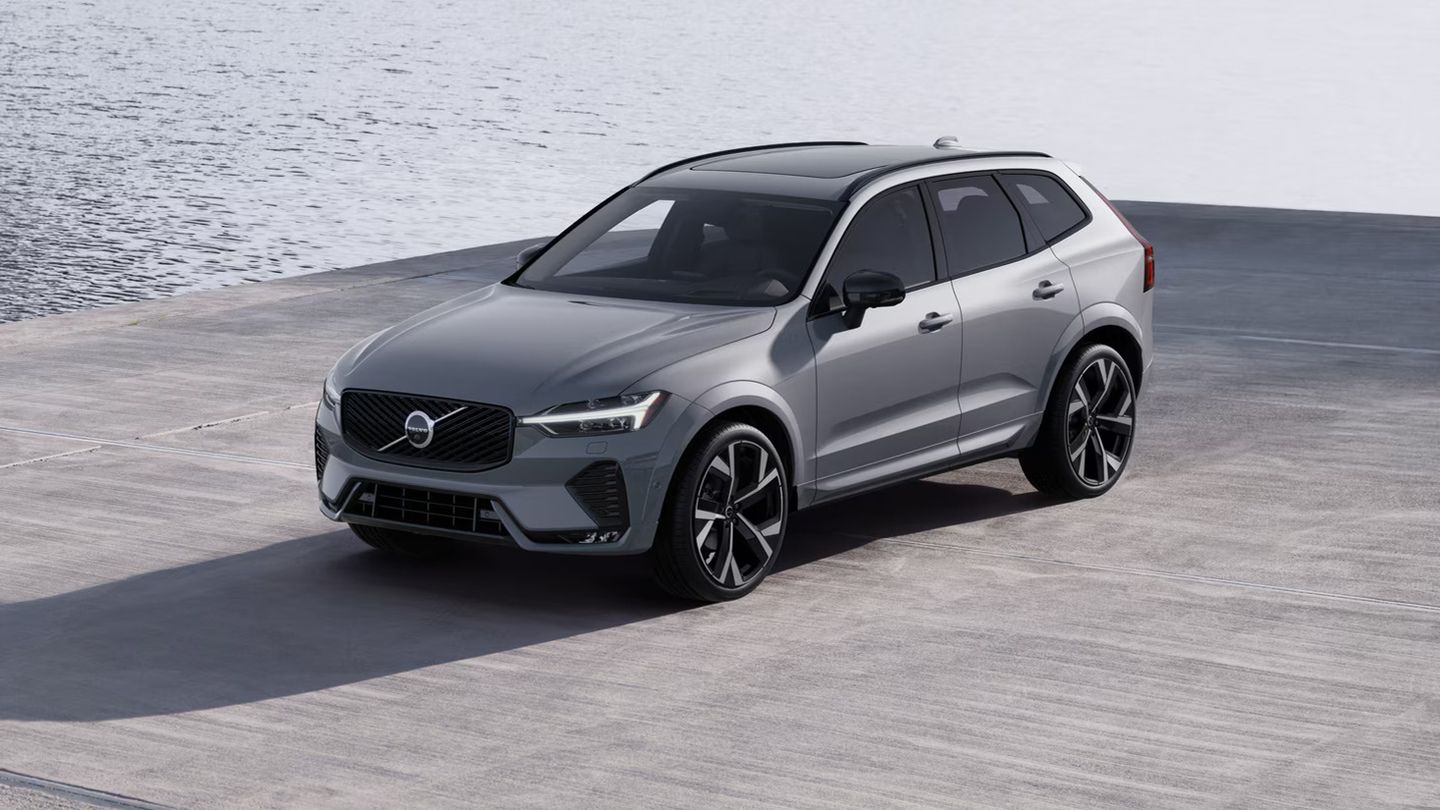
The 2026 XC60 Polestar Engineered Merges Power With Electric Range
A plug-in hybrid SUV that can also feel sharp behind the wheel is not the easiest thing to build. The XC60 Polestar Engineered is Volvo’s answer,...
Read morePowered and developed by
