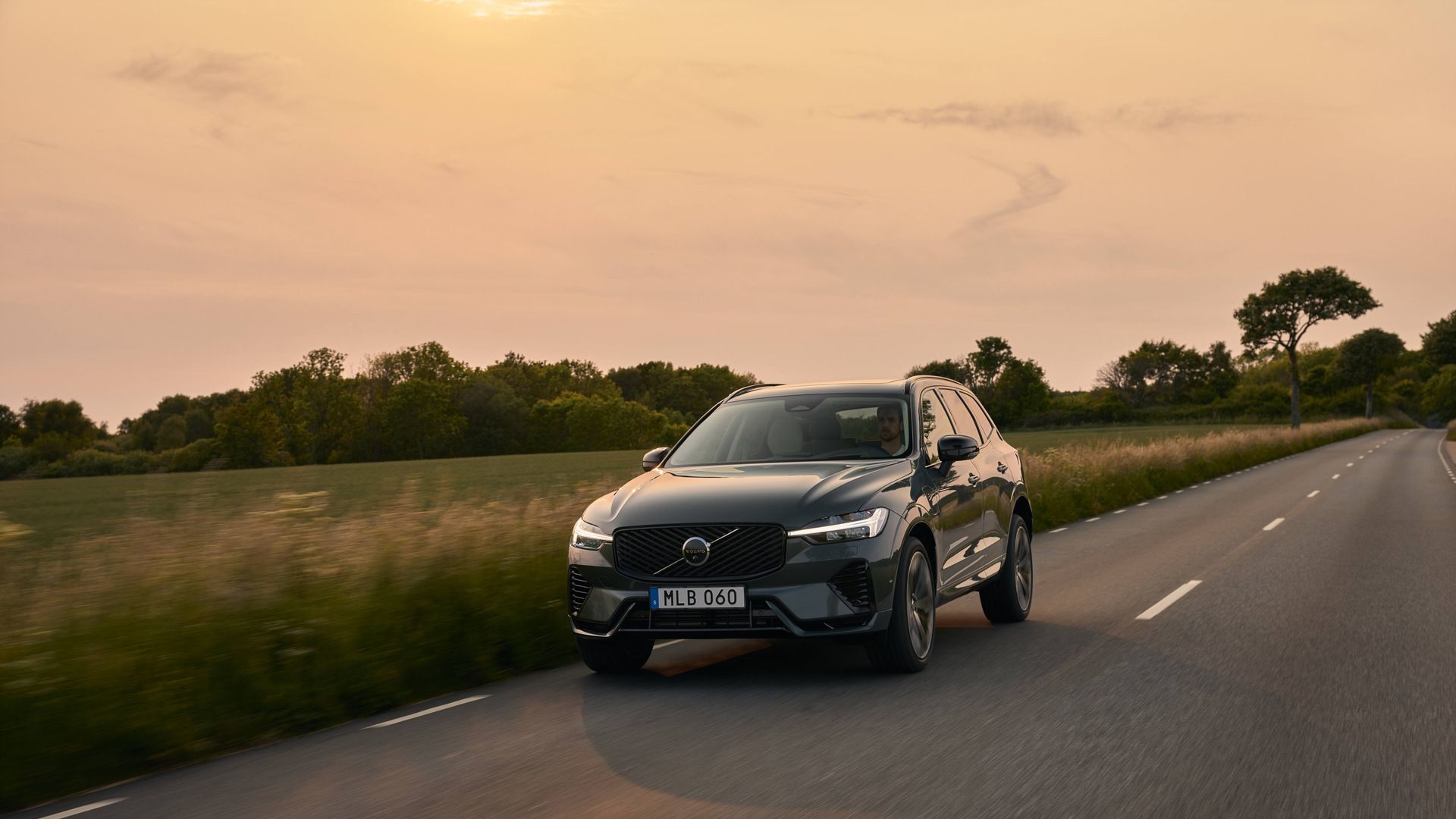
City Safety Automatic Braking Explained for the 2026 Volvo XC60
Most fender-benders happen at speeds so low they barely register, a car creeping into a stopped line of traffic, a shopping cart lane in a busy...
Read moreVolvo Laval

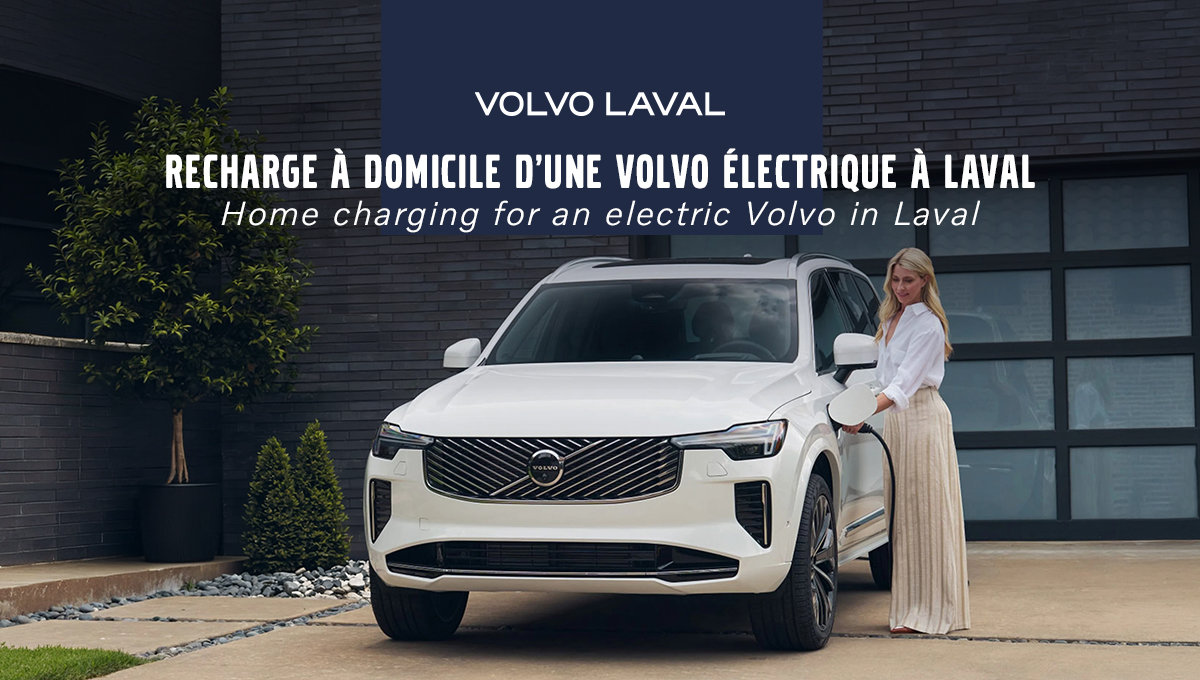
The home charging of a Volvo electric vehicle should be planned before the vehicle is delivered. An electric vehicle changes very little about the way you drive, but it changes a lot about your routine at home. The real issue is not only the advertised range. You also need to look at the charger, the electrical panel, charging time, outside temperature, driving habits, and the type of home you live in.
At Volvo Laval, in Quebec, we help drivers evaluate these points before switching to electric. The goal is simple: make sure your Volvo is ready every morning, with no guesswork, no surprises, and no need to rely only on public charging stations.
There are three main ways to charge an electric vehicle.
|
Charging type |
Power supply |
Main use |
Key takeaway |
|
Level 1 |
120 V |
Backup charging at home |
Very slow |
|
Level 2 |
208 V or 240 V |
Daily residential charging |
Best choice for home use |
|
DC fast charging |
Fast public charger |
Long trips |
Not a standard residential solution |
A regular 120 V outlet can be used occasionally, but it is not the ideal option for a fully electric Volvo used every day. Hydro-Québec indicates that a Level 2 charger generally operates on 208 V or 240 V, while a regular Level 1 outlet is much slower. To recover 40 km of range, Hydro-Québec estimates 8 hours or more with a Level 1 outlet, compared with 1 to 3 hours using a 7 kW Level 2 charger.
For normal use, a Level 2 charger is the residential solution to prioritize. It allows you to charge overnight without waiting until the battery is almost empty. The logic is simple: plug in often, recharge partially, and keep the vehicle within a comfortable battery range.
A residential charger is usually installed in the garage or outside, near the parking space. The right setup depends on your home, your electrical panel, and the distance between the panel and the charger.
Before installing a charger, you need to confirm:
|
Item to check |
Why it matters |
|
Electrical panel capacity |
Determines whether electrical work is required |
|
Vehicle location |
Affects cable length and installation cost |
|
Garage or outdoor setup |
Affects charger selection and weather protection |
|
House, condo, or multi-unit building |
The required steps are not the same |
|
Available amperage |
Affects actual charging power |
|
Connected charger or not |
Important for eligibility for certain incentives |
In Quebec, financial assistance for a home charger can reach $600 for the purchase and installation of an eligible charger. Since April 1, 2026, only connected chargers are eligible for this financial assistance.
A charger’s power does not depend only on the charger itself. It also depends on the electrical circuit and the vehicle’s onboard charger. Installing a very powerful charger is not useful if the vehicle cannot accept that level of AC charging power.
Hydro-Québec notes that a 240 V charger can have different capacities, such as 15 A, 30 A, or 32 A, and that some chargers can go higher. However, the actual charging power remains limited by both the charger and the vehicle’s internal charger.
|
Circuit |
Approximate usable power |
Typical use |
|
240 V / 30 A |
About 5.8 kW usable |
Acceptable charging, but slower |
|
240 V / 40 A |
About 7.7 kW usable |
Very common at home |
|
240 V / 50 A |
About 9.6 kW usable |
Faster if the vehicle accepts it |
|
240 V / 60 A |
About 11.5 kW usable |
Close to the maximum AC capacity of several EVs |
In the Volvo lineup, several fully electric models list an AC charging time from 0 to 100% of approximately 8 to 10 hours with 11 kW AC power, depending on the model. Volvo indicates, for example, approximately 8 hours for the EX30, EX40, and EC40, and approximately 10 hours for the EX90, under the conditions specified by the manufacturer.
Here are useful benchmarks to better understand the differences between models.
|
Volvo electric model |
Listed nominal battery |
AC charging 0-100% |
DC fast charging 10-80% |
|
Volvo EX30 |
69 kWh |
About 8 h at 11 kW |
26.5 min at 153 kW |
|
Volvo EX40 |
82 kWh |
About 8 h at 11 kW |
28 min at 200 kW |
|
Volvo EC40 |
82 kWh |
About 8 h at 11 kW |
28 min at 200 kW |
|
Volvo EX90 |
111 kWh |
About 10 h at 11 kW |
30 min at 250 kW |
These numbers should not be read as a guarantee in all circumstances. Volvo specifies that charging times can vary depending on outside temperature, battery temperature, charging equipment, battery condition, and vehicle condition.
A common mistake is thinking that you always need to go from 0% to 100%. In practice, that is not how daily charging works.
A Laval driver who travels 40 to 80 km per day can often plug in a few times per week, or every evening out of habit, without waiting until the battery is low. The charger is then used to maintain a comfortable battery level.
|
Situation |
Recommended setting |
|
Normal week |
Charging limit at 90% |
|
Daily Laval-Montreal commuting |
80% to 90% is generally enough |
|
Long trip to Quebec City, Ottawa, or the Laurentians |
Charge to 100% before departure |
|
Vehicle parked for several days |
Avoid leaving it at 100% for a long time without need |
Volvo generally recommends charging to 90% for daily use, and charging to 100% only when more range is needed, such as before a long trip. The limit can be set from the center display or the Volvo Cars app, depending on the vehicle.
Winter is an important factor in Quebec. Cold weather can increase energy consumption and slow charging, especially when the battery is cold. This is not a Volvo-specific issue: it is a technical reality of lithium-ion batteries.
In Laval, between December and March, you should plan for:
|
Winter factor |
Possible effect |
|
Below-freezing temperature |
Slower charging |
|
Cabin heating |
Higher energy consumption |
|
Cold battery |
Lower efficiency |
|
Winter tires |
Higher rolling resistance |
|
Snow, slush, wind |
More variable real-world range |
The best practice is to plug in the vehicle at home, schedule charging, and precondition the cabin while the vehicle is still plugged in. This way, part of the energy needed for heating comes from the house instead of the battery during the first few kilometers.
For a single-family home, installing a charger is generally simpler. For a condo, triplex, fourplex, or rental building, more steps are usually required.
You often need to confirm:
|
Point to confirm |
With whom |
|
Right to install a charger |
Condo board or landlord |
|
Charger location |
Building manager |
|
Cable routing |
Electrician and administration |
|
Consumption measurement |
Manager or provider |
|
Available financial assistance |
Écorecharge program |
Quebec provides separate financial assistance for individual chargers in multi-unit buildings. Electric vehicle owners may be eligible for assistance of up to $5,000 for the purchase and installation of a charger in a multi-unit building parking space.
For a long trip, home charging remains the starting point. Before leaving for the Laurentians, Quebec City, Charlevoix, the Eastern Townships, or Ottawa, it is best to prepare the battery the night before.
|
Action |
When |
|
Set charge to 100% |
The night before or a few hours before departure |
|
Schedule departure time |
Before going to bed |
|
Precondition the cabin |
Before leaving home |
|
Check fast chargers along the route |
Before departure |
|
Plan a stop with 10% to 20% battery remaining |
During the trip |
|
Use fast charging mainly up to 80% |
On the road |
Fast charging is most effective between 10% and 80%. Above 80%, charging speed generally slows down to help protect the battery. That is why, on the road, it is often more efficient to fast charge to around 80%, then continue driving.
Volvo electric models can also help find public charging stations with built-in Google Maps and the Volvo Cars app, depending on equipment and available services.
At Volvo Laval, the discussion should not start only with the model. It should start with your usage.
Before buying or leasing a Volvo electric vehicle, ask the right questions:
|
Question |
Why ask it |
|
How many kilometers do I drive per day? |
To estimate charging frequency |
|
Do I have access to private parking? |
To know whether a charger is realistic |
|
Is my electrical panel ready? |
To plan installation costs |
|
Do I often take long trips? |
To choose the right model |
|
Do I live in a condo? |
To anticipate the required steps |
|
Do I want a connected charger? |
To manage charging and possible incentives |
Volvo Laval offers resources related to charging, home chargers, installations, electric vehicles, and test drives. This support is useful not only to validate the right vehicle, but also to understand the charging reality around your home.
The home charging of a Volvo electric vehicle is simple when it is properly planned. A Level 2 charger is generally the best choice for a house. A 90% limit is suitable for daily use. Charging to 100% should be reserved for long trips. Winter requires a little more planning. Condos and multi-unit buildings require additional steps.
The most important point is not to wait until the vehicle is delivered to think about charging. A good residential installation makes the electric experience much smoother.
To choose the right model, understand charging options, and confirm what works for your home in Laval, contact Volvo Laval or visit us in Quebec. We can guide you based on your mileage, your type of home, and your driving habits.
A Level 2 charger on 240 V is generally recommended for daily use. It charges much faster than a standard 120 V outlet.
It can be used as a backup, but it is too slow to be comfortable with a fully electric vehicle used every day. Hydro-Québec estimates that a Level 1 outlet can take 8 hours or more to recover only 40 km of range.
No. Volvo generally recommends charging to 90% for daily use. Charging to 100% is mainly useful before a long trip.
With 11 kW AC charging, Volvo lists approximately 8 hours for the EX30, EX40, and EC40, and approximately 10 hours for the EX90, according to the conditions specified by the manufacturer.
Yes. Quebec indicates that $600 in assistance may be available for the purchase and installation of an eligible home charging station. Since April 1, 2026, the charger must be connected to be eligible.

City Safety Automatic Braking Explained for the 2026 Volvo XC60
Most fender-benders happen at speeds so low they barely register, a car creeping into a stopped line of traffic, a shopping cart lane in a busy...
Read more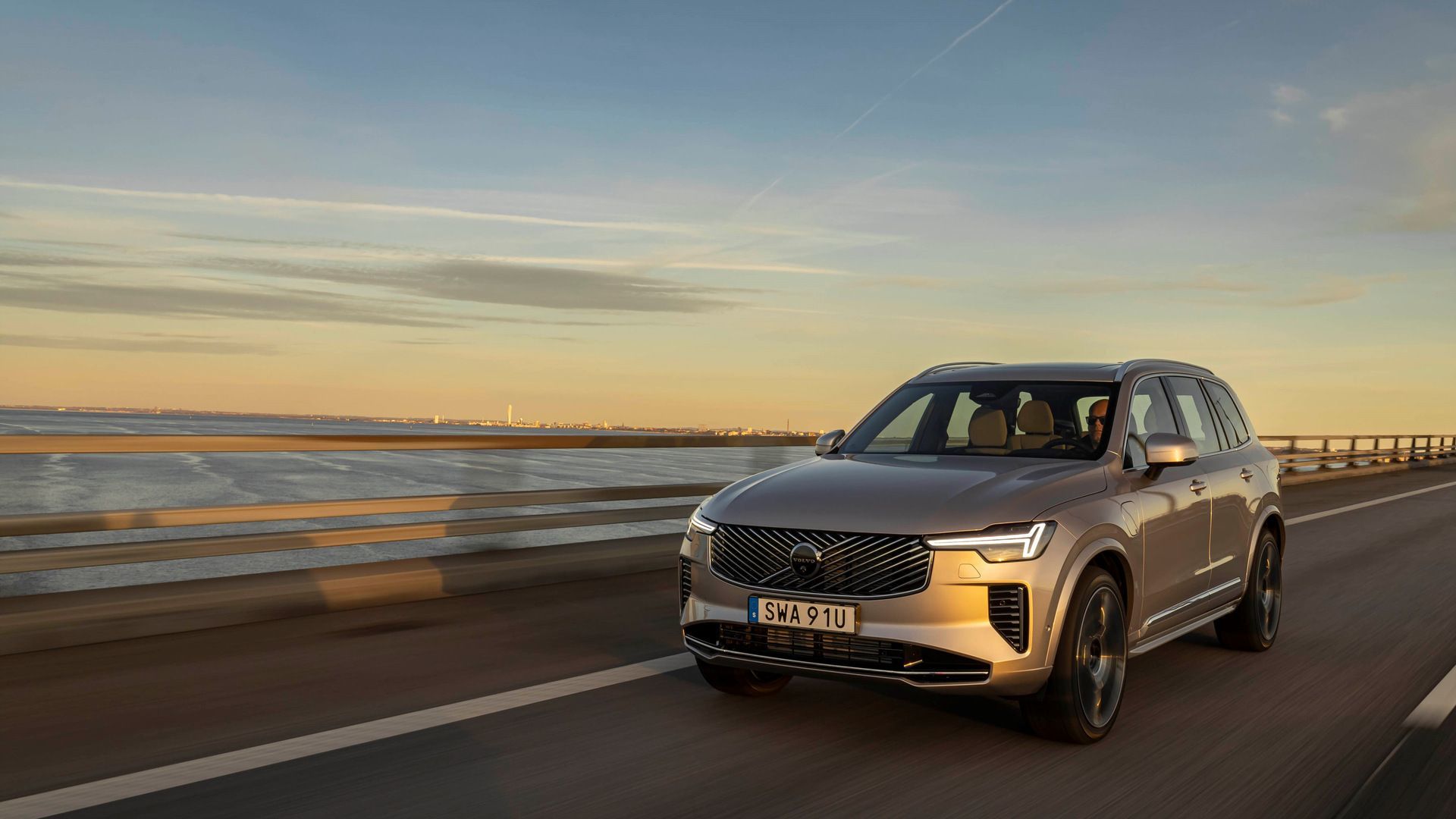
Seven-Seat Configuration Explained for the 2026 Volvo XC90 Across Every Trim
Shopping for a three-row SUV in Quebec often comes down to one question: how many people can you actually fit, and how comfortably? The 2026 Volvo...
Read more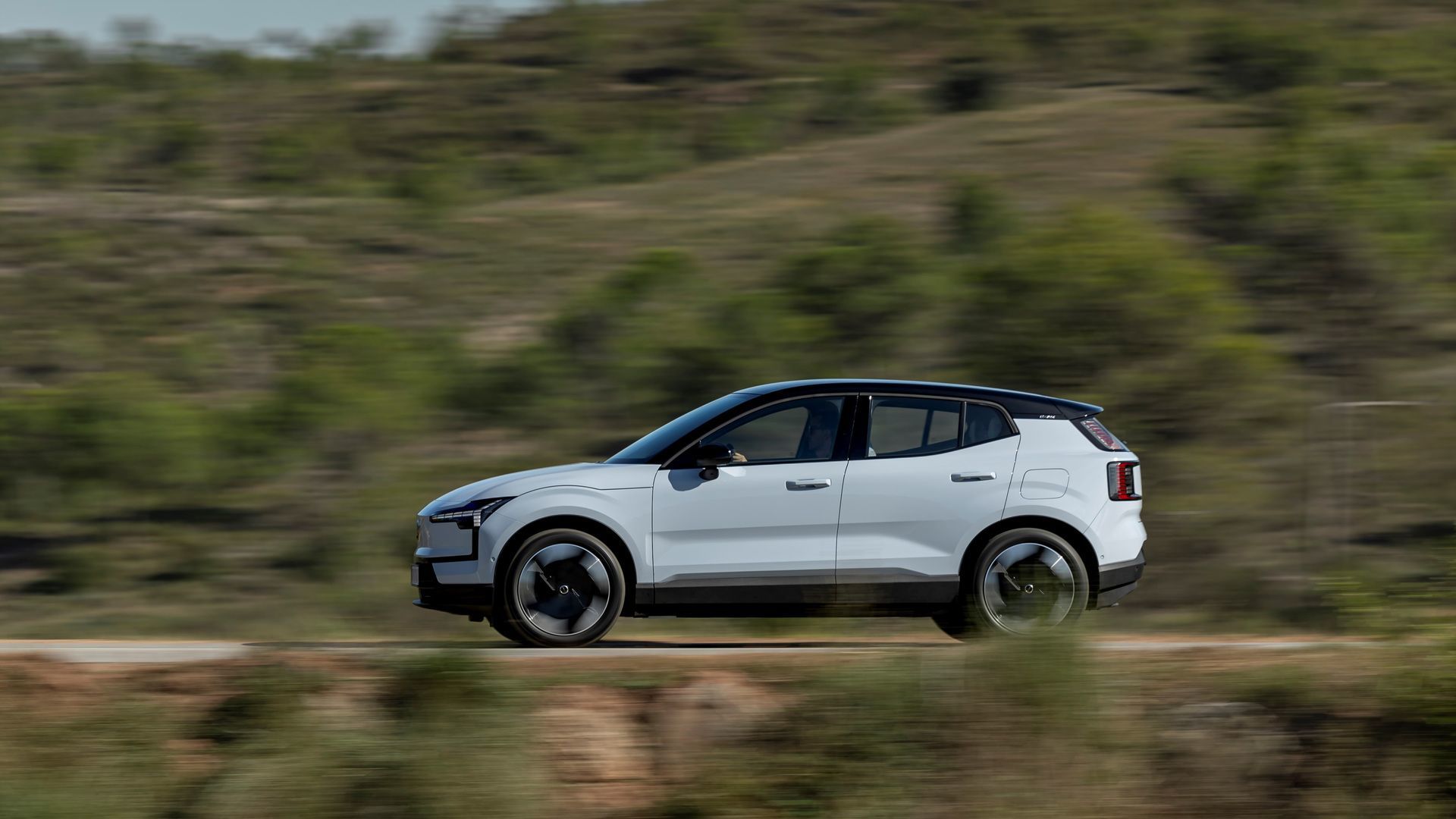
Single Motor Extended Range or Twin Motor Performance: Which 2026 Volvo EX30 AWD Setup Fits Your Driving?
Choosing an EX30 comes down to more than trim level. It also means picking a drivetrain, and that decision shapes how the car feels every day,...
Read morePowered and developed by
